September Handmade: A Warm, Creative Font for Small Business Branding
As a small business owner, every visual element you use is a chance to connect with your audience. Your branding should feel personal, professional, and consistent across every customer touchpoint—from your product labels to your Instagram stories. That’s where September Handmade comes in. This casual, creative font brings a sense of warmth and friendliness to any design, making it a perfect fit for entrepreneurs who want to build a human-centered, trustworthy brand identity.
Why September Handmade Fits Your Brand Personality
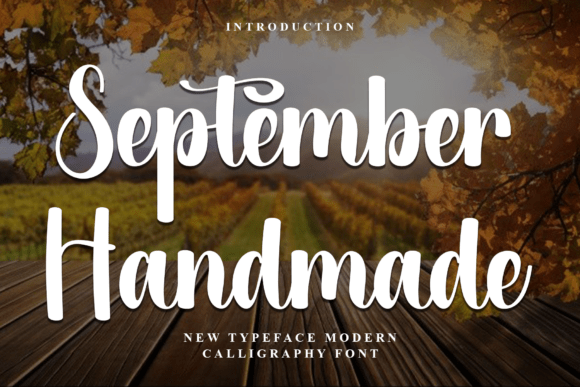
September Handmade is a Script Amp font with soft, rounded strokes that give it a playful and approachable look. It’s not overly formal or stiff, which makes it ideal for brands that want to feel welcoming and authentic. Whether you run a local café, a handmade soap business, or a coaching practice, this font helps you express your brand’s personality in a way that feels genuine and easy to connect with.
The font’s hand-crafted appearance adds a personal touch that sets it apart from generic typefaces. It’s the kind of detail that customers notice—even if they don’t realize it. That subtle warmth can make your brand feel more human, more relatable, and more memorable.
Real-World Uses for September Handmade
One of the biggest advantages of September Handmade is its versatility across different business materials. Here are a few ways you can use it to strengthen your brand presence:
- Logo design: Use it as the main typeface in your logo to create a warm, approachable identity.
- Packaging design: Apply it to product labels or tags to give your handmade goods a personalized, artisanal feel.
- Social media graphics: Add it to Instagram posts or Pinterest pins to create cohesive, eye-catching visuals.
- Thank-you cards and stickers: Print it on customer thank-you notes or branded stickers to reinforce your identity.
- Menus and flyers: Use it for café menus or local event flyers to keep your message friendly and engaging.
This font works especially well for small brands that want to stand out in niches like food, beauty, wellness, and handmade products. A bakery could use it for cupcake labels, while a candle maker might feature it on eco-friendly packaging. The key is to match the font’s personality with your own brand voice.
How the Right Font Builds Brand Trust
Typography isn’t just about aesthetics—it plays a major role in how customers perceive your brand. Using a consistent, well-chosen font like September Handmade can make your business look more professional, recognizable, and trustworthy. When your website, packaging, and social media visuals all share the same clean, cohesive design language, customers start to associate that look with your brand.
Think of it like this: when someone sees your product on a shelf or scrolls past your post online, they only have a few seconds to decide whether to engage. A clear, consistent typeface helps them instantly recognize your brand and feel confident in what you offer.
When to Use September Handmade in Your Designs
Because of its decorative, expressive style, September Handmade works best as a display font or accent font. That means it’s ideal for headlines, logos, and short phrases rather than long paragraphs of text. You can pair it with a clean sans serif or a readable serif font to create a balanced, professional look.
For example, if you’re designing a café menu, use September Handmade for the section headers like “Pastries” or “Specials,” and a simple sans serif like Montserrat or Open Sans for the item descriptions. On your website, you might use it in a hero banner or call-to-action button to draw attention without overwhelming the reader.
Readability Matters—Even in Decorative Fonts
While style is important, readability is crucial—especially when you’re working with small labels, mobile screens, or printed packaging. September Handmade strikes a good balance between charm and clarity. Its rounded letters are easy to read at a glance, and its open spacing helps maintain legibility even at smaller sizes.
Still, it’s always smart to test how the font looks in real-world applications. Print a sample label or view your design on a phone screen to make sure the text remains clear and professional. This helps you avoid situations where your branding looks great on a desktop but becomes hard to read on a product tag or social media thumbnail.
Try Before You Commit
Before you use September Handmade across your entire brand, take time to test it in different contexts. Try it on mockups of your product packaging, digital ads, and print materials. Ask a few trusted customers or peers for feedback. Does it feel right for your brand? Is it easy to read in all formats?
You can also use design tools like Canva or Adobe Express to preview how the font looks with your brand colors and images. Seeing it in action helps you make sure it aligns with your visual identity and supports your business goals.
Simple Font Pairing Ideas
Pairing September Handmade with other fonts is a great way to add visual interest while keeping your designs professional. Here are a few practical pairings to try:
- September Handmade + Montserrat: A modern, clean sans serif that balances the font’s playful style with a polished look.
- September Handmade + Merriweather: A classic serif font that adds elegance and readability to supporting text.
- September Handmade + Lato: A soft, approachable sans serif that keeps your design feeling friendly and cohesive.
When pairing fonts, stick to one decorative typeface and one simple, readable font. This ensures your message stays clear while still feeling creative and engaging.
Check Licensing Before You Print or Sell
If you’re planning to use September Handmade on product packaging, merchandise, or client work, always check the font’s licensing terms. Some fonts are only licensed for personal use, so it’s important to make sure you have the right to use it commercially.
Most premium fonts come with a commercial license that allows you to use them in business materials, but it’s always better to double-check. This helps you avoid legal issues and ensures you’re using design assets responsibly.